
Stem Cell Scalp Injections. A regenerative approach to hair restoration.
An emerging treatment approach intended to support weakened hair follicles and address areas of thinning hair.
Explore personalized scalp injections that aim to influence the hair follicle environment, potentially supporting hair thickness and density without surgical transplantation.
Stem cell injections for hair regrowth are investigational and are not FDA-approved in the United States. Results vary, and meaningful hair regrowth is not guaranteed.
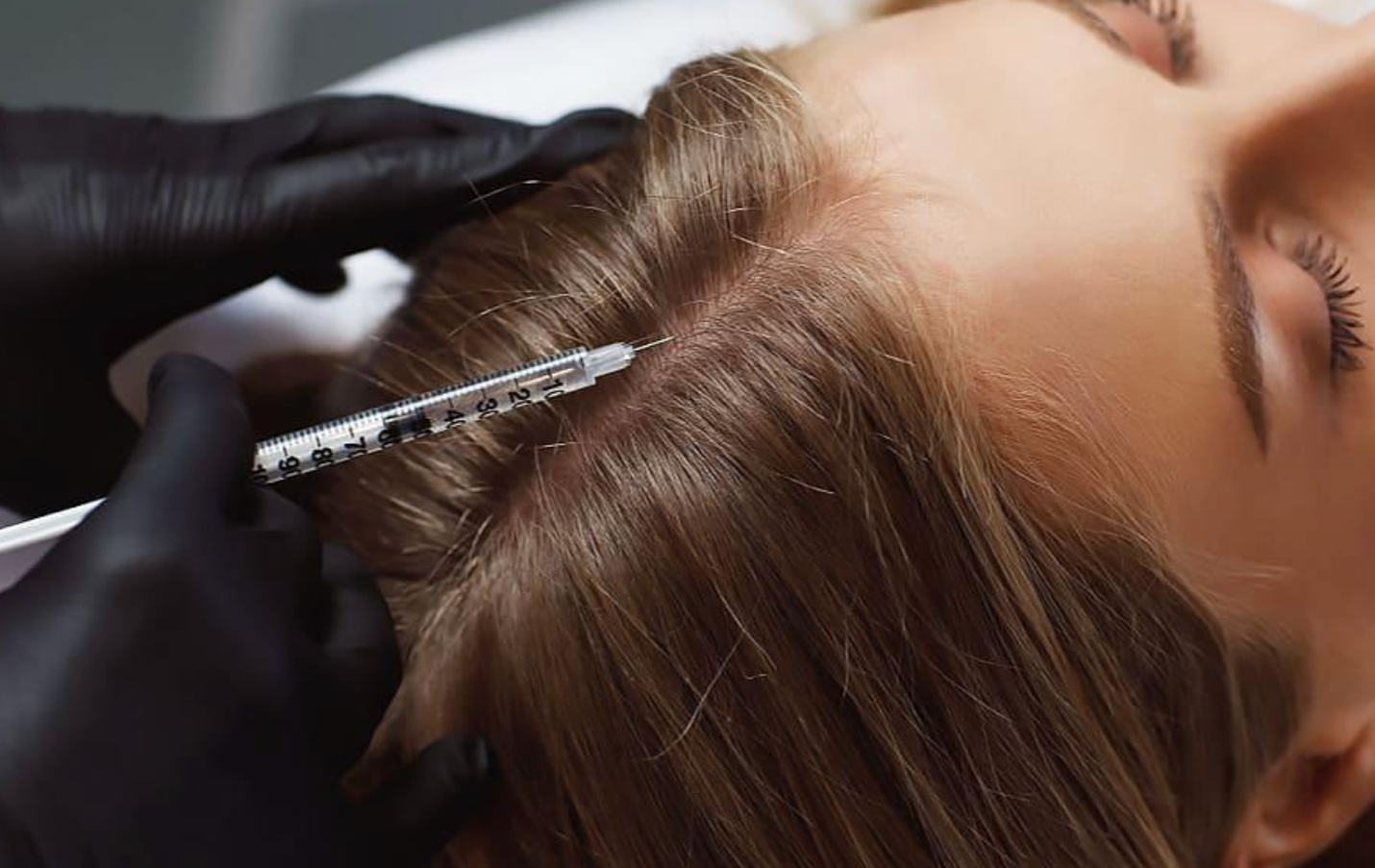
A Closer Look at Regenerative Hair Restoration.
Stem cell therapy for hair restoration is an emerging regenerative medicine approach being investigated for its potential to support weakened hair follicles and improve hair thickness or density.
Hair follicles contain specialized stem cells that help regulate the natural hair growth cycle. Regenerative treatments aim to influence the environment around these follicles through cellular signaling and local tissue responses.
Unlike surgical hair transplantation, this approach focuses on existing hair follicles rather than relocating follicles from another area of the scalp.
How the Treatment May Work
Hair Growth Cycle
May encourage follicles to enter the anagen, or active growth, phase.
Follicular Activity
May support cellular activity and local tissue repair around follicles.
Scalp Environment
May influence inflammatory signaling within the follicular environment.
Hair Thickness & Density
Researchers are investigating whether these approaches can improve hair shaft thickness and overall density.
What to Expect During Your Visit.
An injection-based regenerative scalp treatment generally involves four stages, beginning with a clinical assessment.
Scalp Assessment
Your clinician examines the pattern of hair thinning and evaluates whether the treatment may be appropriate for your individual concerns.
Preparation
The scalp is carefully cleaned. Topical or local anesthesia may be used to help manage discomfort during the procedure.
Scalp Injections
Small amounts of the treatment material are administered into targeted thinning areas using fine needles.
Recovery
Temporary tenderness, pinpoint bleeding, swelling or redness may occur following injections.
Procedure duration: The injection portion often takes approximately 15–30 minutes. Consultation, preparation and recovery time may extend the overall visit.
Understanding the Potential Results.
Hair restoration is a gradual process, and the response to investigational regenerative treatments can vary considerably from person to person.
In small clinical studies, changes in hair thickness or density have sometimes been observed within two to three months. Follow-up assessments commonly continue through three to six months or longer.
These approaches may be more promising in thinning areas where viable follicles remain than in longstanding, completely bald or scarred areas.
Possible Observation Timeline
Initial Consultation
Hair loss pattern, scalp condition and individual suitability are evaluated before treatment decisions.
First 2–3 Months
Some small studies have reported measurable changes in hair thickness or density during this period.
3–6 Months & Beyond
Follow-up assessments may be used to evaluate changes over time. Results are highly variable.
Long-Term Expectations
The durability of any improvement is uncertain, and some observed changes may be temporary.
A Closer Look at Patient Results.
Explore photographs from an actual patient treated by Anna Owczarski, DNP. These images document her individual experience following a series of scalp injections.
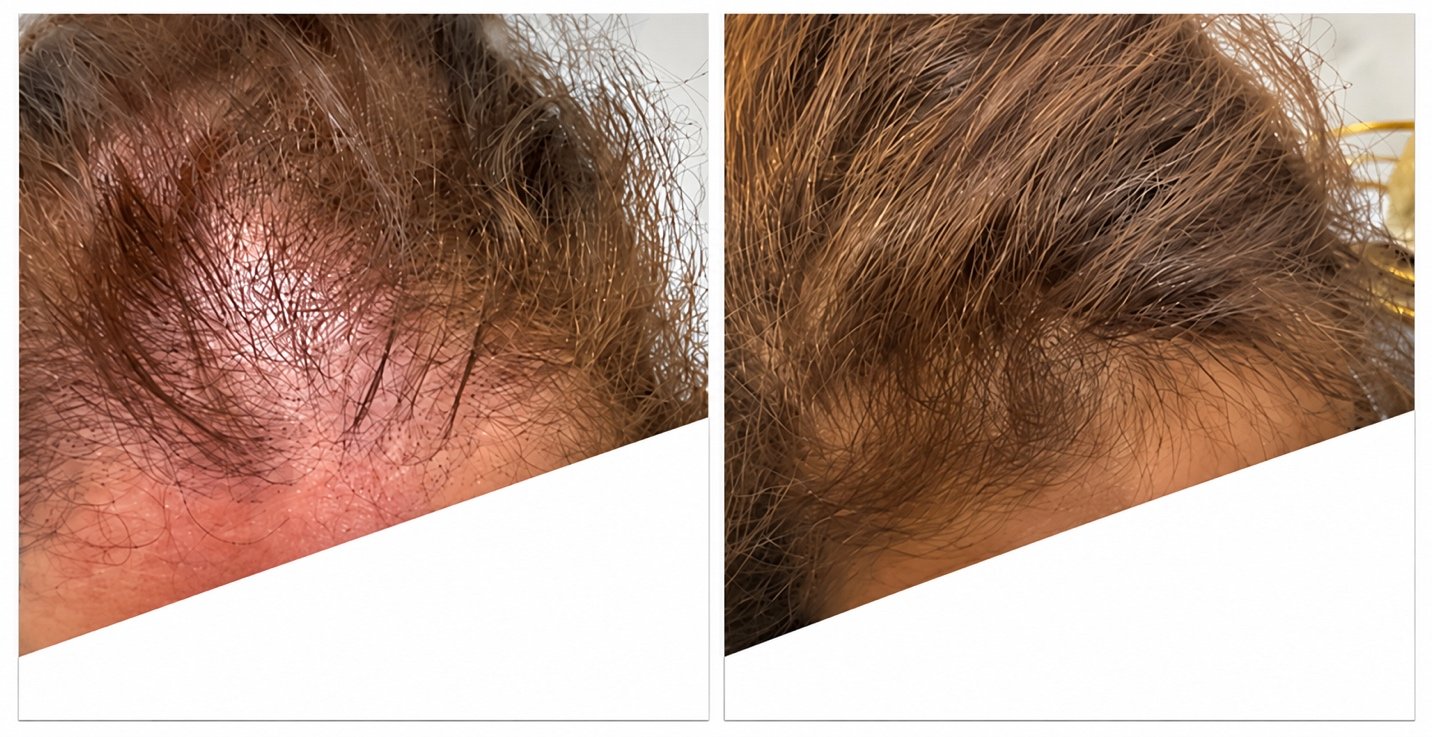
Patient Comparison 01
Original clinical photograph supplied by Anna Owczarski, DNP.
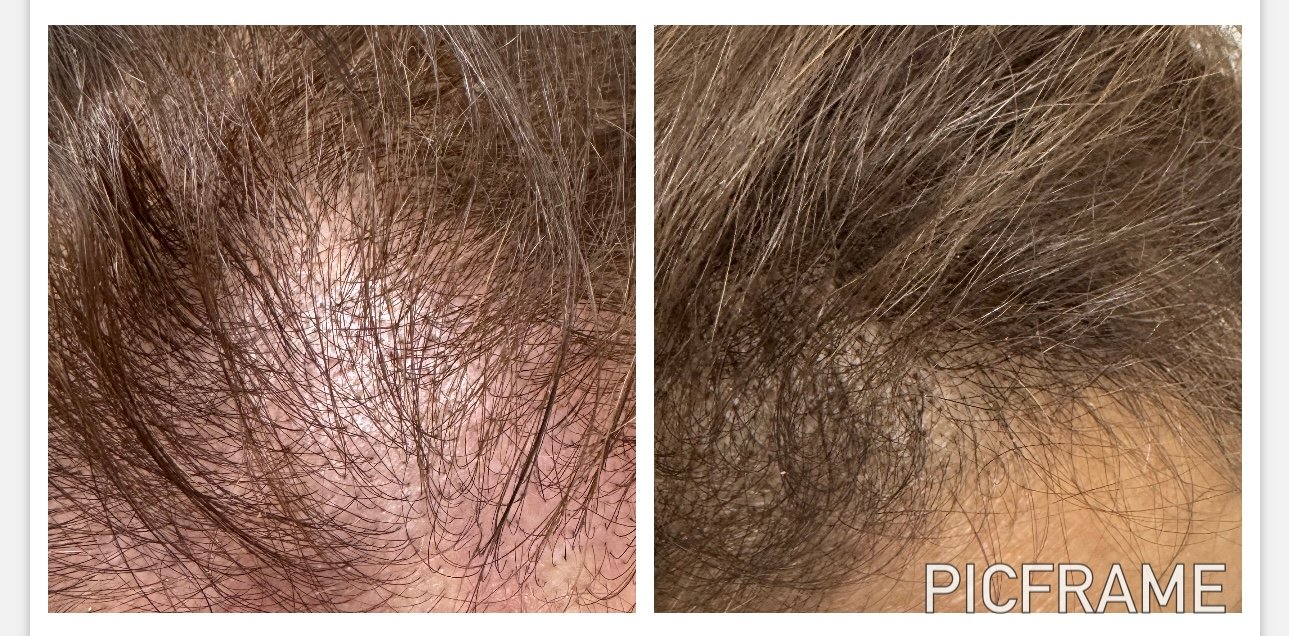
Patient Comparison 02
Additional view from the same documented patient experience.
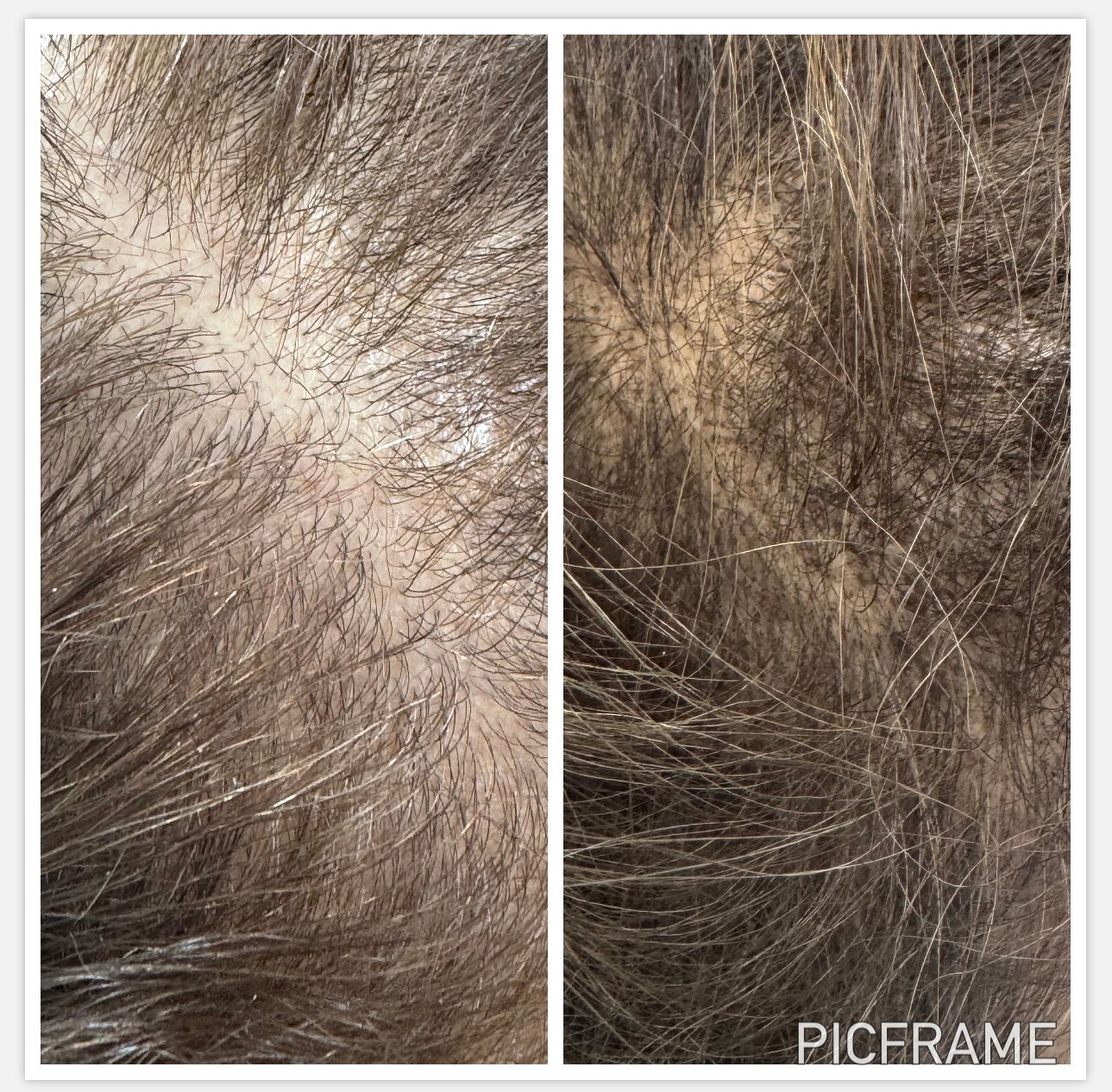
Patient Comparison 03
Original patient photograph documenting the treatment experience.
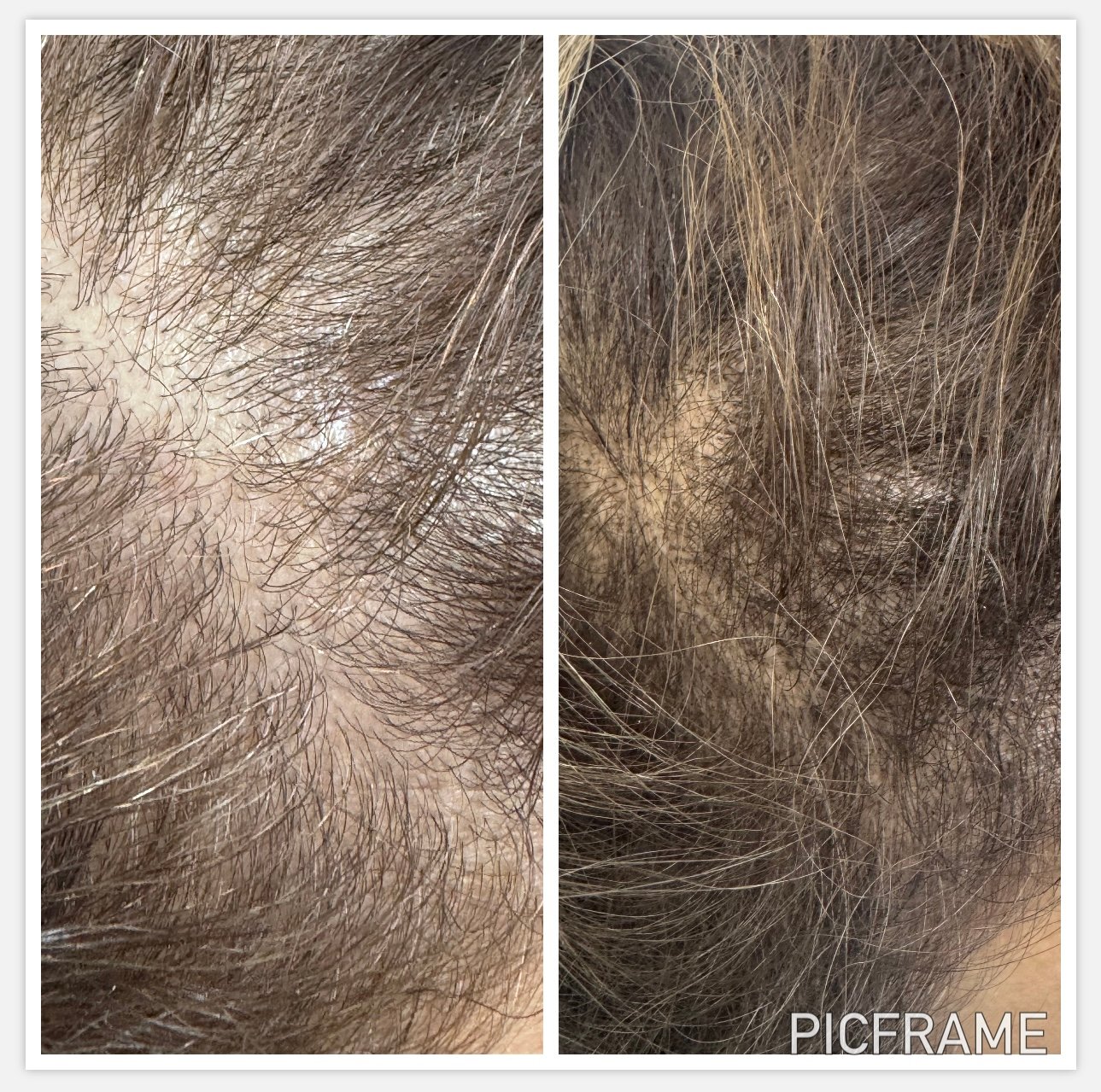
Patient Comparison 04
Additional clinical photograph from Anna's patient documentation.
From Anna's Practice
An Individual Patient Experience.
This patient received a series of three scalp injection treatments, scheduled approximately one month apart. The photographs show her results six months after the final injection.
Images show an individual patient experience and do not predict or guarantee outcomes for others. Results may vary. Stem cell injections for hair regrowth remain investigational and are not FDA-approved in the United States. Clinical evidence is limited.
An Informed Approach to Your Hair Restoration Journey.
Understanding the treatment, its limitations and possible reactions is an important part of making an informed decision.
Following scalp injections, temporary tenderness, pinpoint bleeding, swelling or redness may occur. Individual experiences can vary.
A clinical assessment helps determine whether an investigational regenerative treatment is appropriate to consider for your hair loss concerns.
There are currently no FDA-approved stem cell injections for hair regrowth in the United States. These treatments remain investigational. Clinical evidence is limited, and meaningful hair regrowth is not guaranteed.
What Patients Should Know
Individual Assessment
Hair loss patterns and scalp condition should be evaluated before considering treatment.
Possible Local Reactions
Temporary tenderness, swelling, redness or pinpoint bleeding may occur after injections.
Variable Results
Some small studies have reported changes in hair thickness or density, but results differ considerably and may be temporary.
Investigational Status
Stem cell scalp injections for hair regrowth are not FDA-approved. Their effectiveness and long-term safety are not established.
Your Hair Restoration Journey Begins With a Conversation.
Every hair restoration journey is different. Connect with Anna Owczarski, DNP, to discuss your concerns, explore treatment information and understand whether this investigational approach may be appropriate for you.
Beautiful Connections Wellness
At Skin Diva Laser
13315 15 Mile Rd.
Sterling Heights, MI 48312
Stem cell injections for hair regrowth are investigational and are not FDA-approved in the United States. A consultation does not guarantee treatment eligibility or availability.