Plasma Pen Skin Tightening
Discover a personalized approach to skin rejuvenation. Plasma Pen treatment uses focused plasma energy to create controlled micro-injuries on the skin's surface, encouraging a natural healing response and offering a non-surgical option for selected aesthetic concerns.
The Art of Skin Rejuvenation.
A considered approach to aesthetic care, where medical knowledge and personalized attention come together.
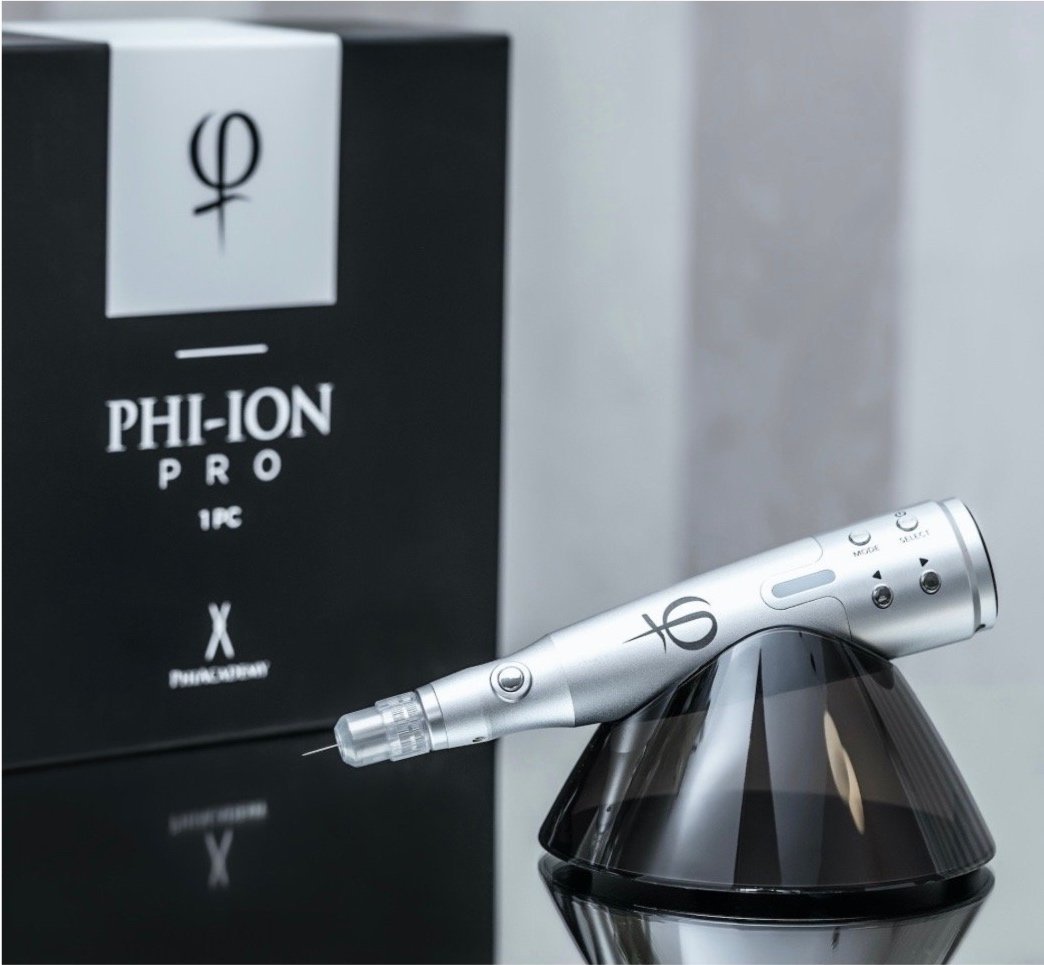
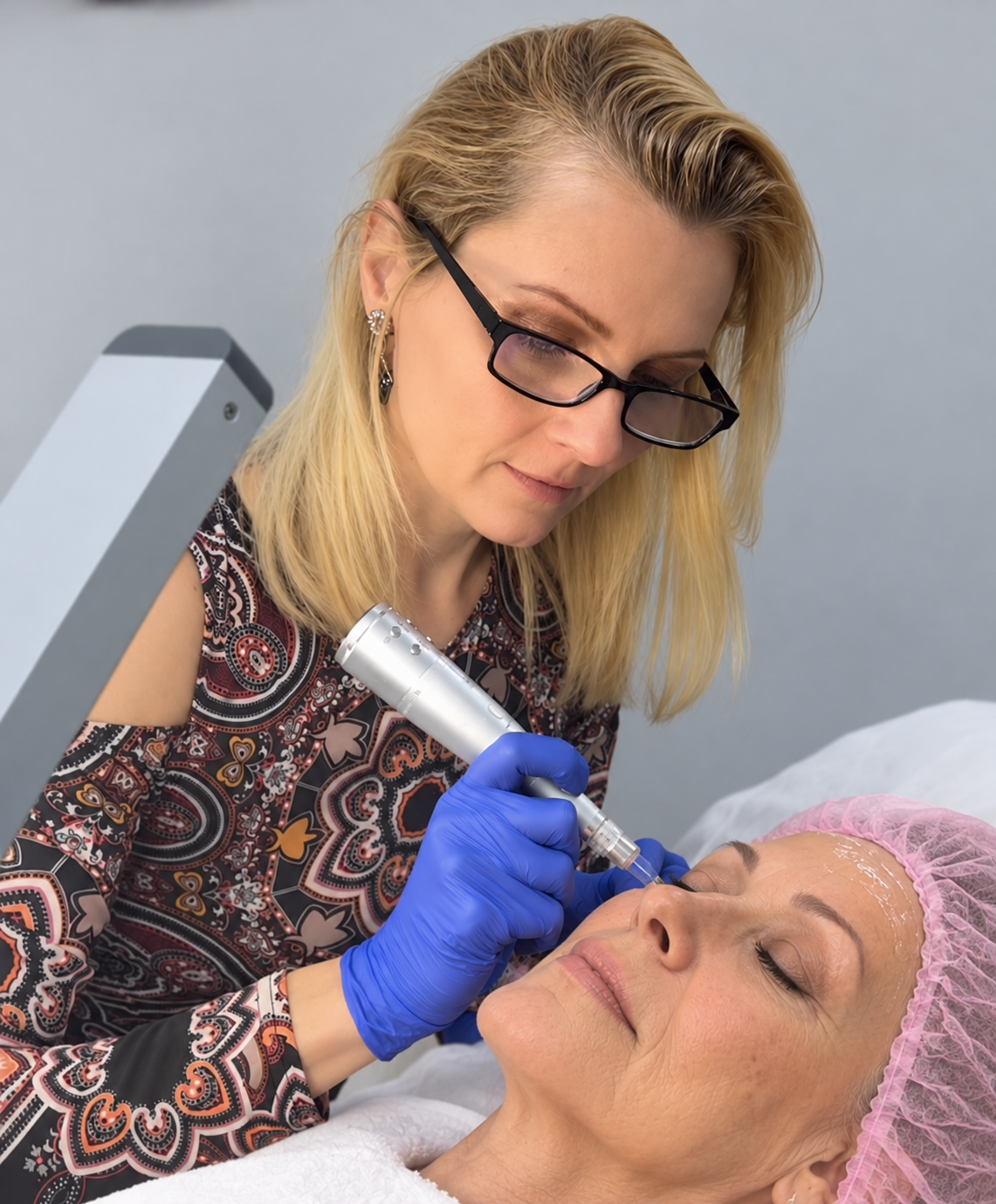
Plasma Pen Skin Tightening is a non-surgical aesthetic procedure that uses focused plasma energy to create controlled micro-injuries on the surface of the skin.
These small areas of thermal injury initiate the body's natural healing response. The treatment is used with the aim of improving the appearance of selected fine lines, skin texture, and mild skin laxity.
At Beautiful Connections, we believe that aesthetic care should begin with understanding your individual skin concerns, medical history, and expectations. Every consultation is an opportunity to discuss suitable options and make an informed decision.
Precision in every consideration.
Focused Plasma Energy
Controlled energy is applied to the skin's surface using a specialized device.
Natural Healing Response
The treated skin undergoes a healing process that may involve temporary crusting, redness, and sensitivity.
Individualized Evaluation
Treatment suitability, expected outcomes, and potential risks are considered according to your skin and medical history.
Areas of Focus. Thoughtful Possibilities.
Every skin concern deserves an individual approach. Explore the areas commonly discussed during a Plasma Pen consultation, with treatment suitability determined by your skin, medical history, and the device's intended use.
Fine Lines
Explore treatment options for selected fine lines and visible changes in the skin's surface appearance.
Skin Texture
Discuss concerns about uneven-looking texture and whether plasma-based treatment is an appropriate option.
Neck & Skin Laxity
Review available approaches for mild skin laxity, with realistic expectations about potential outcomes.
Selected Facial Areas
Receive an individualized assessment of facial concerns, including the additional precautions required near delicate areas.
Your skin. Your goals. Your consultation.
The right aesthetic approach begins with a careful evaluation of your individual needs, possible benefits, limitations, and treatment risks.
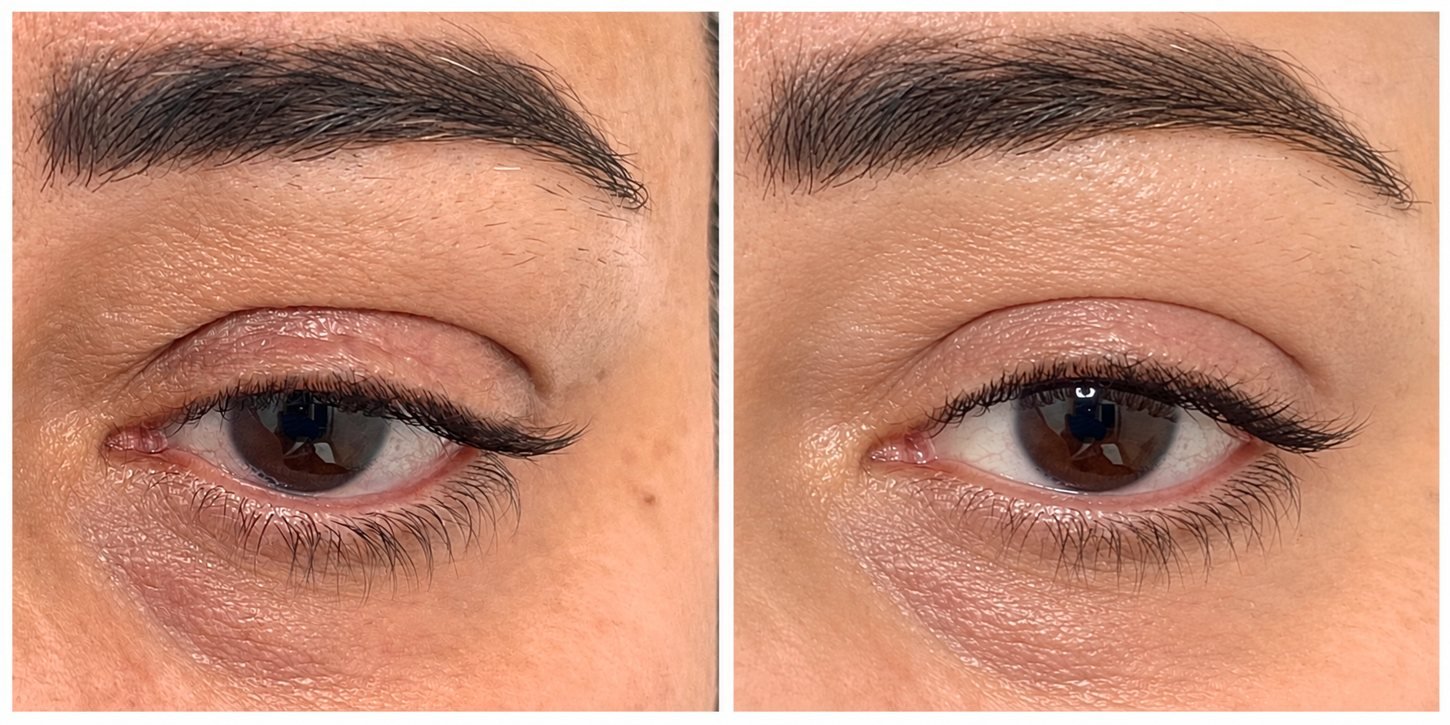
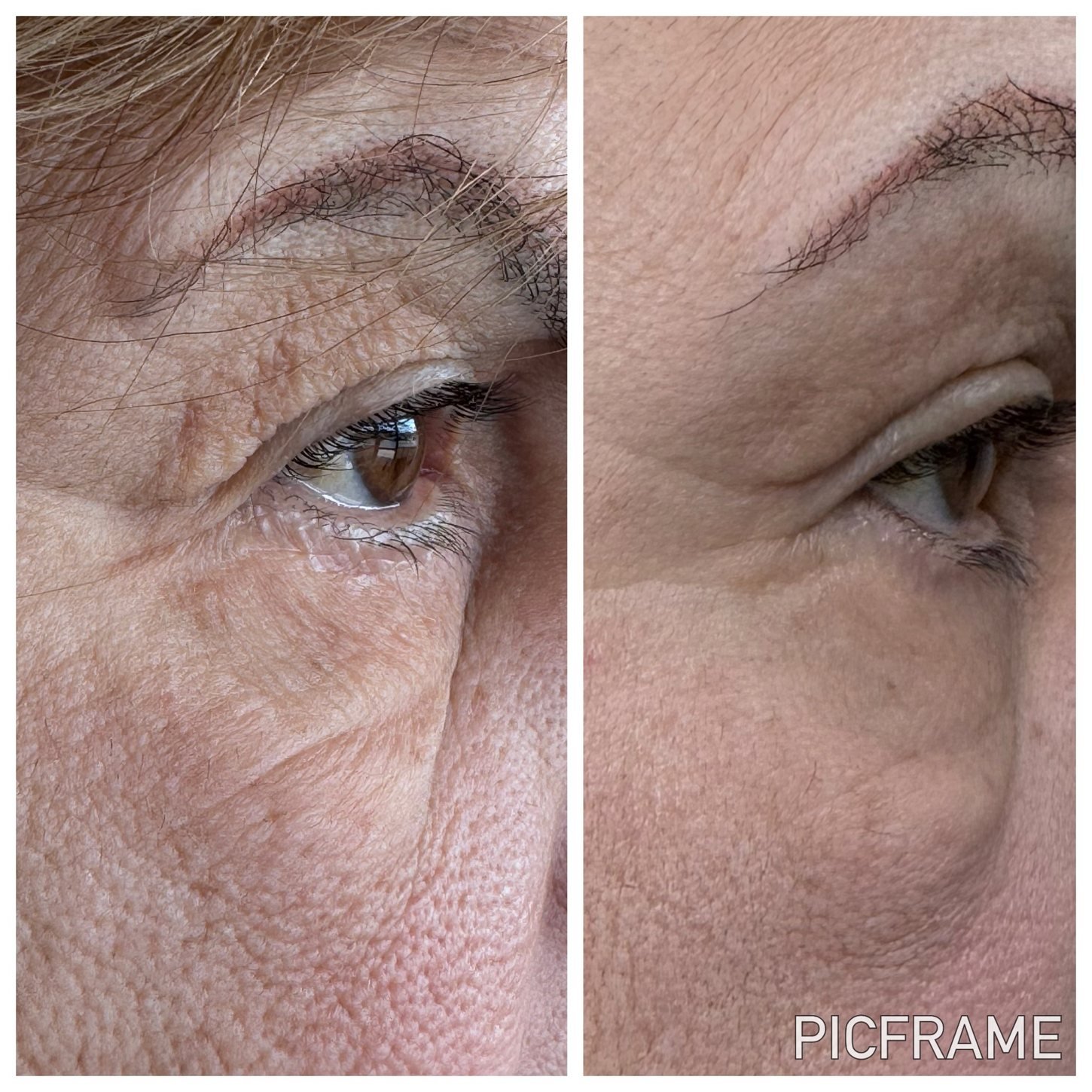
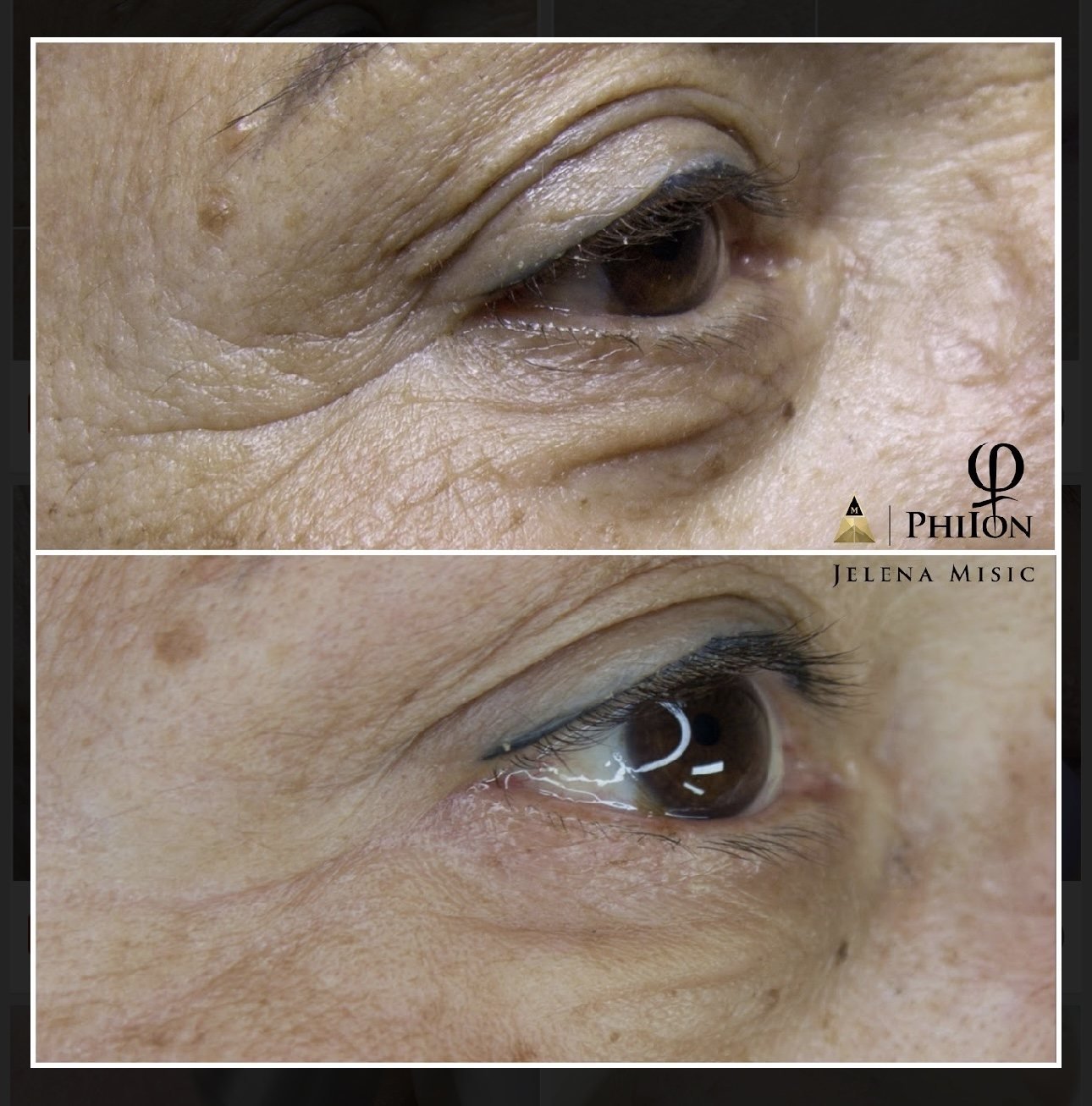
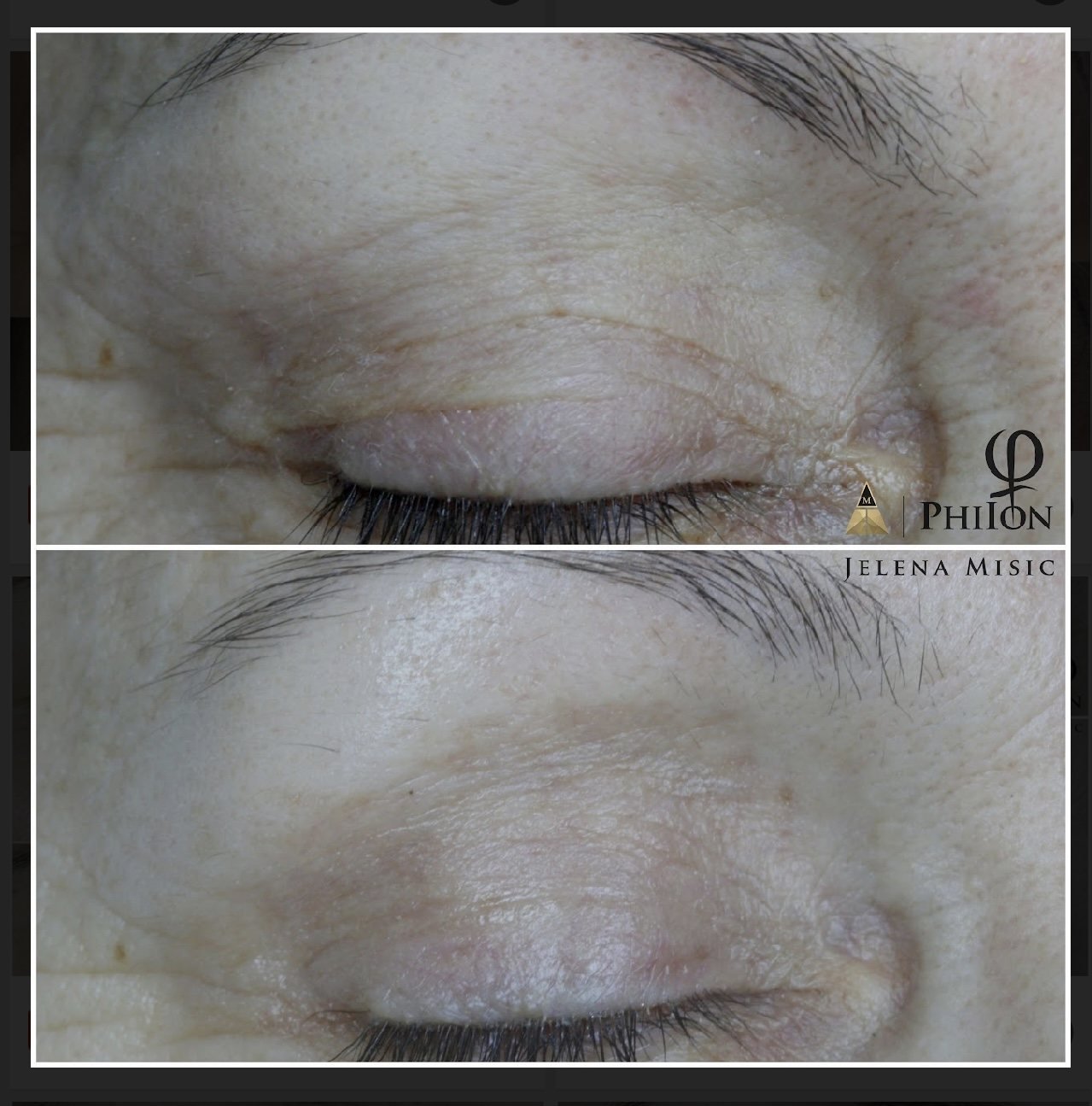
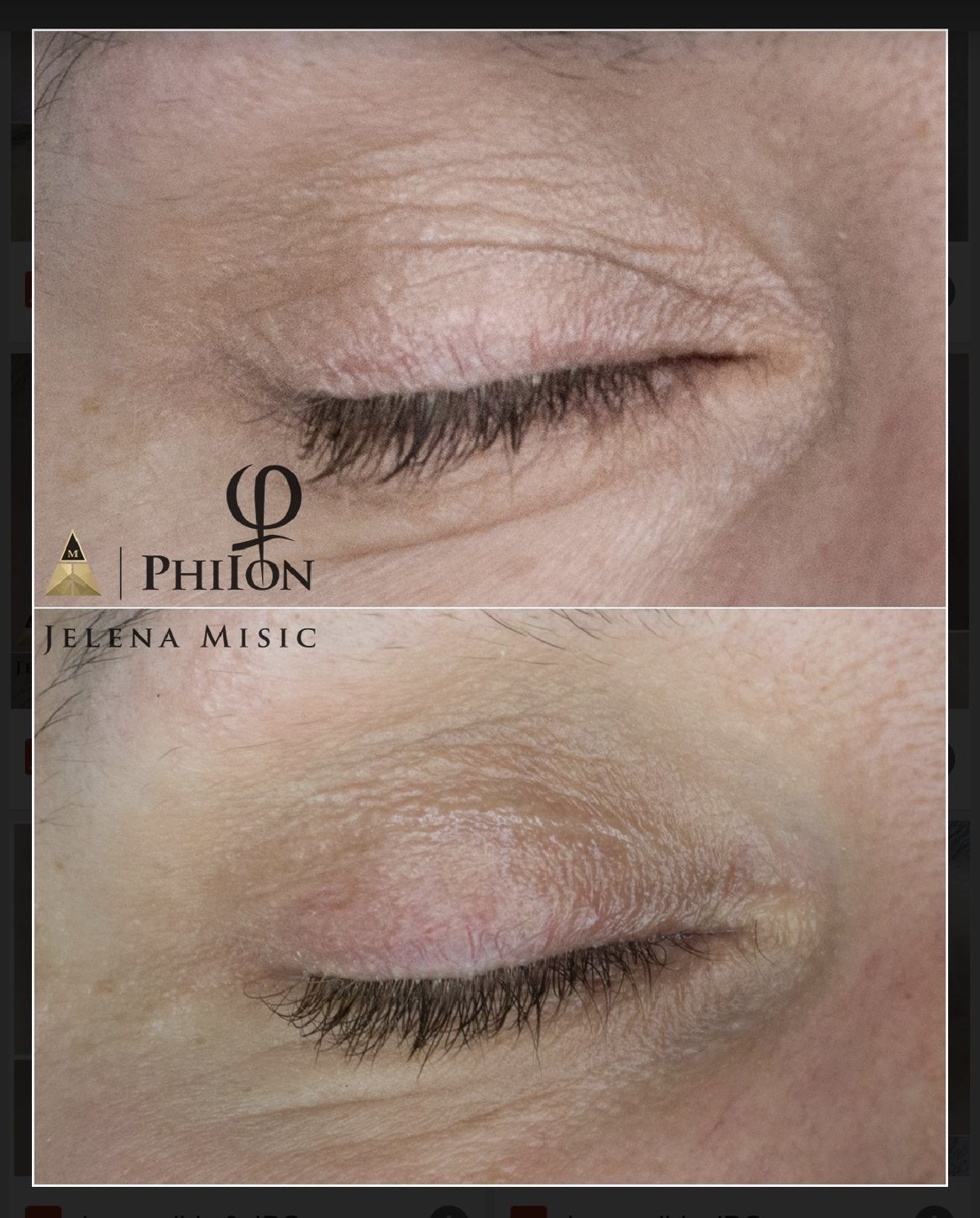
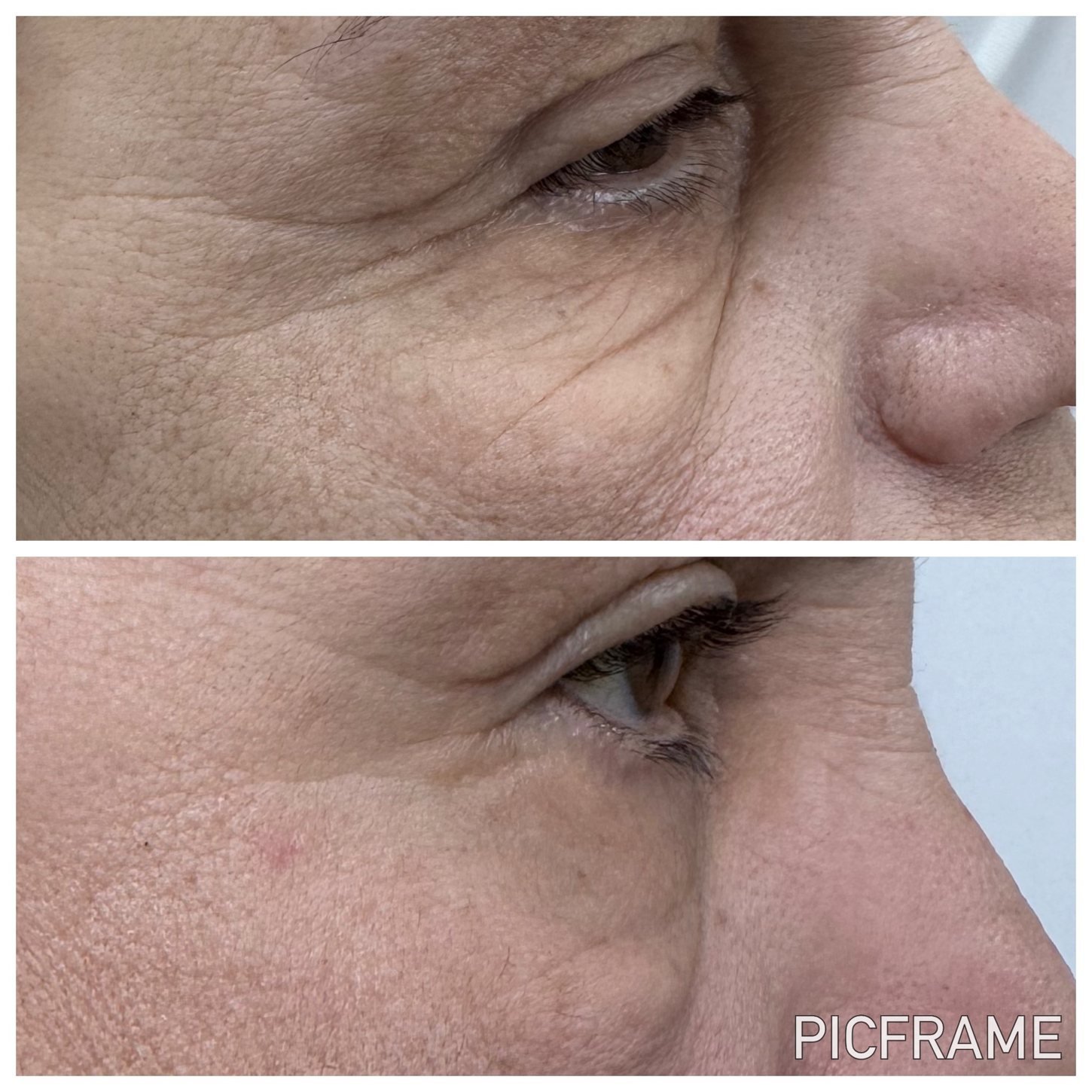
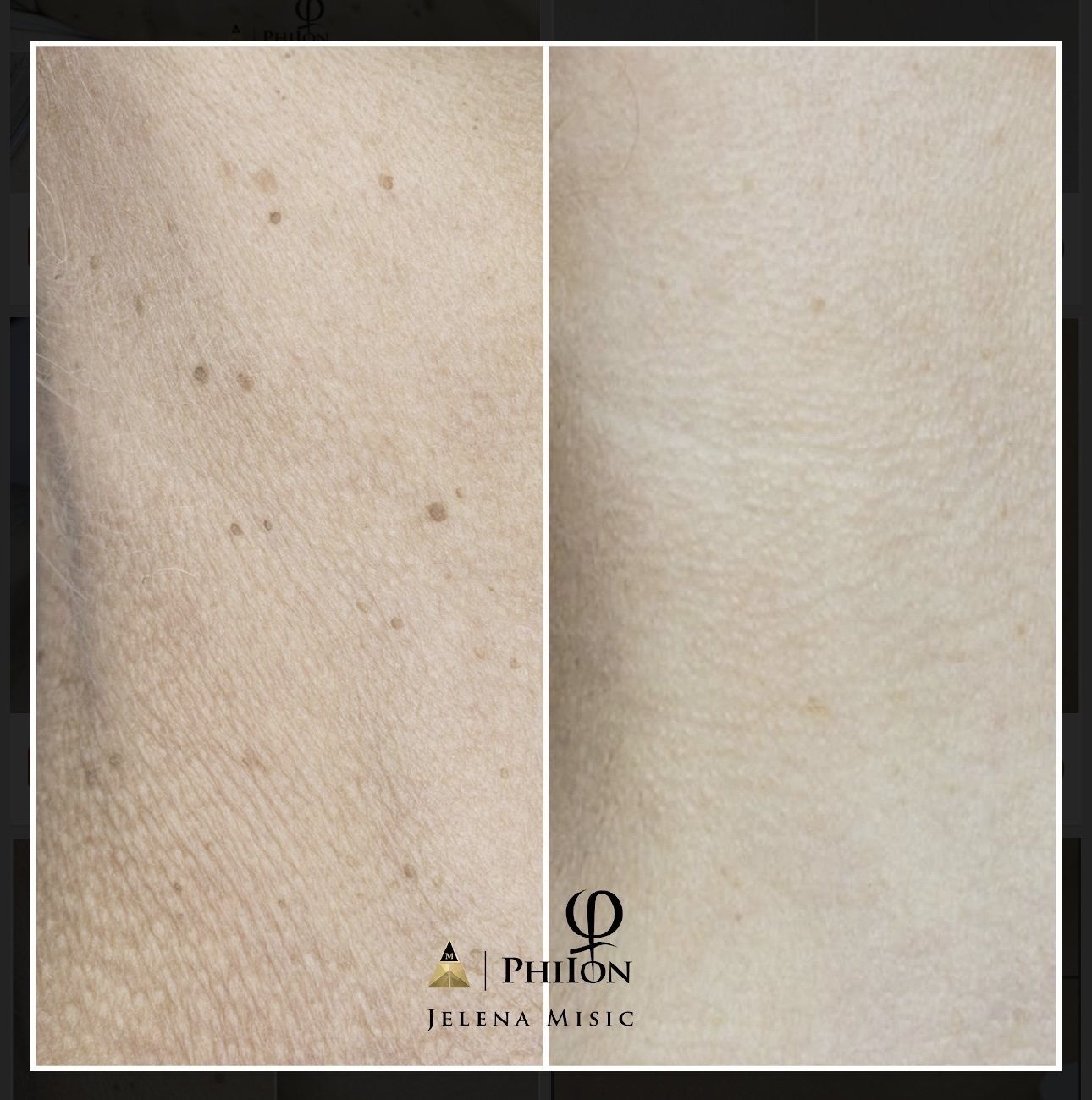
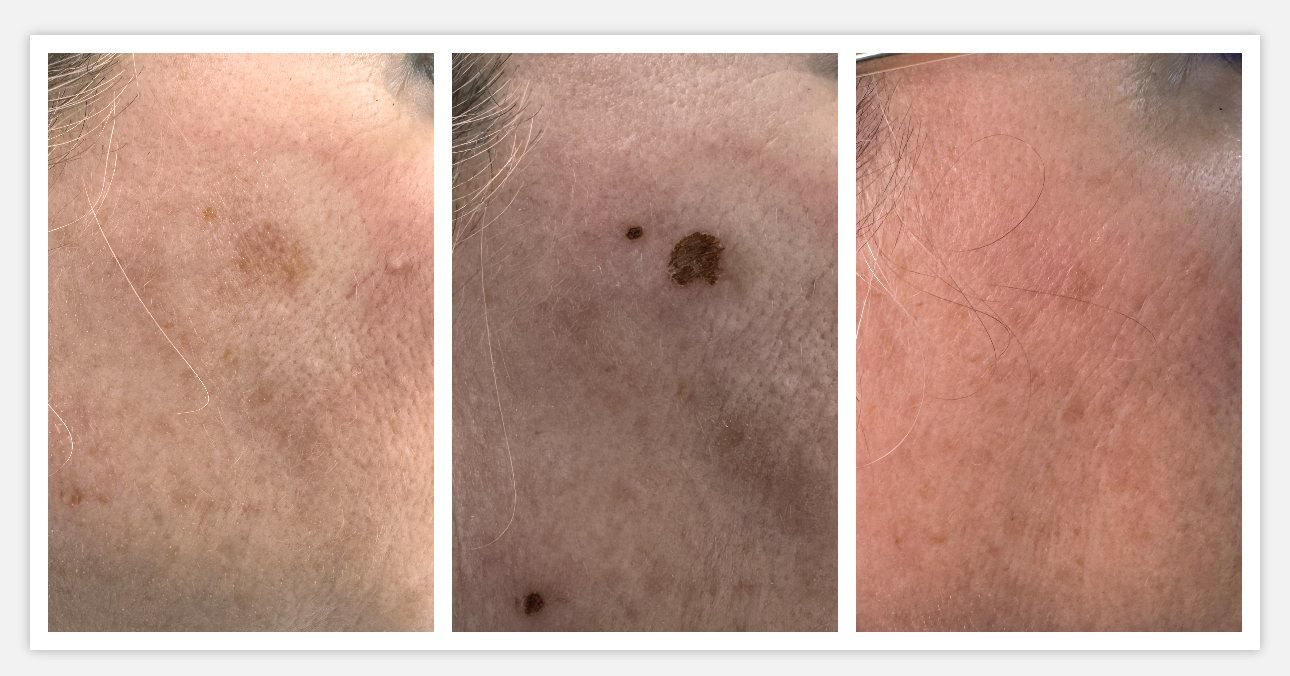
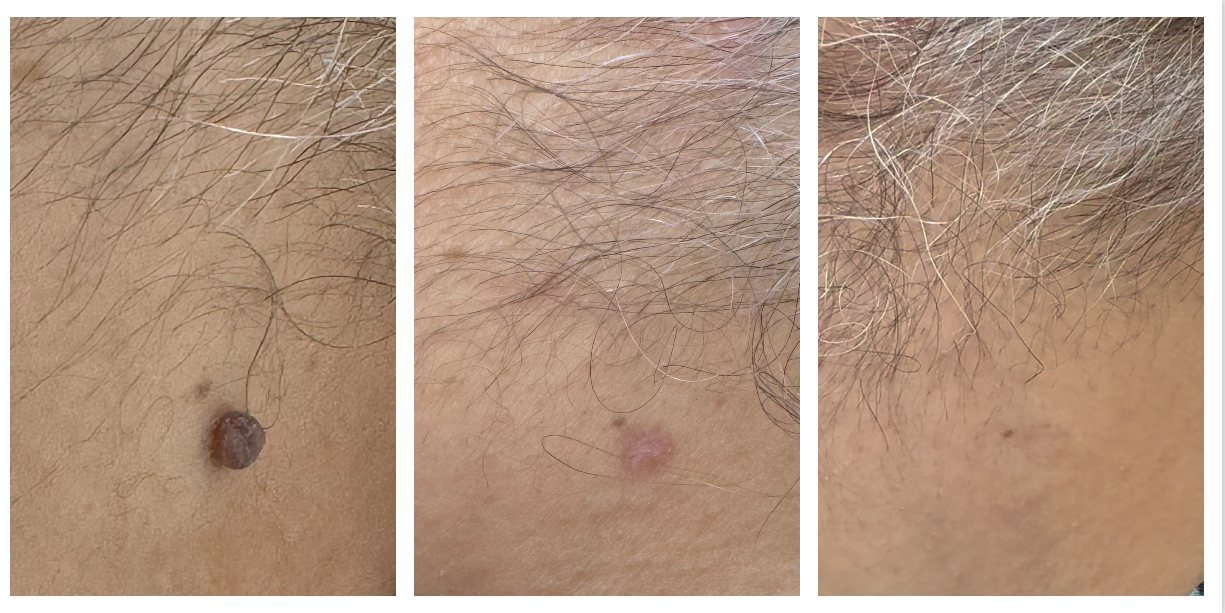
Before & After. Visible Possibilities.
Explore our collection of supplied Plasma Pen treatment comparisons. Browse through the gallery to view different treatment examples.
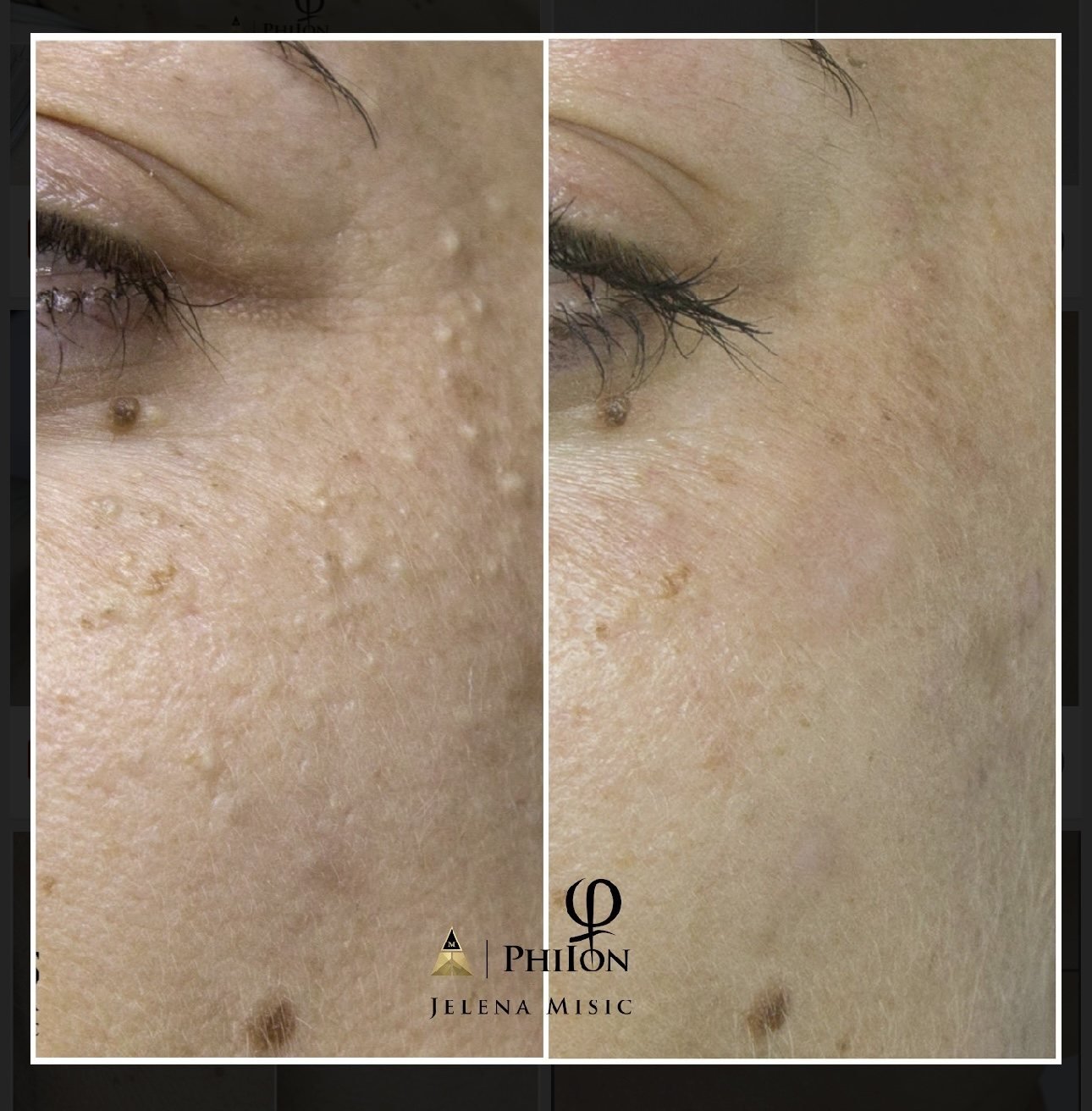
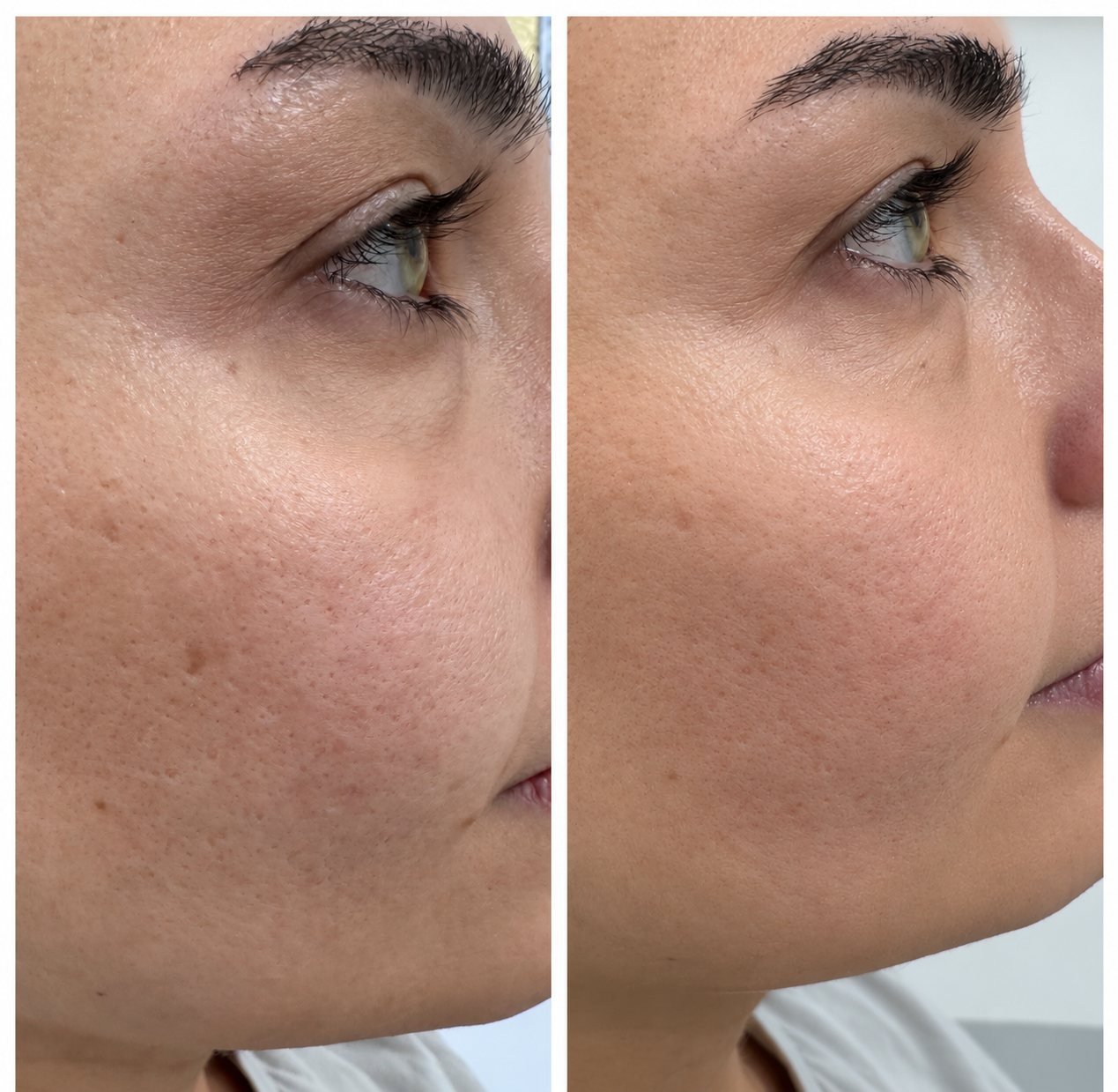
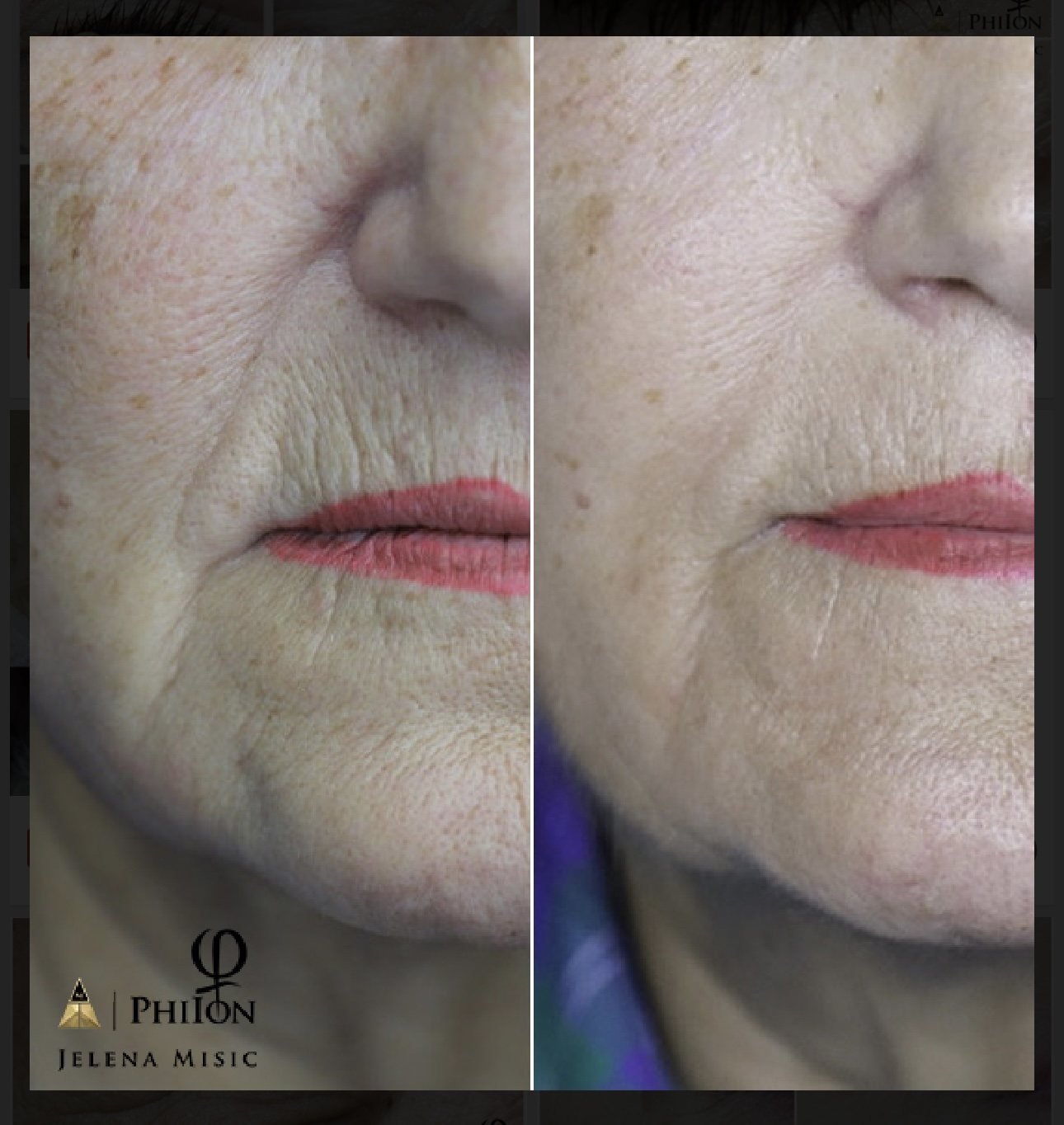
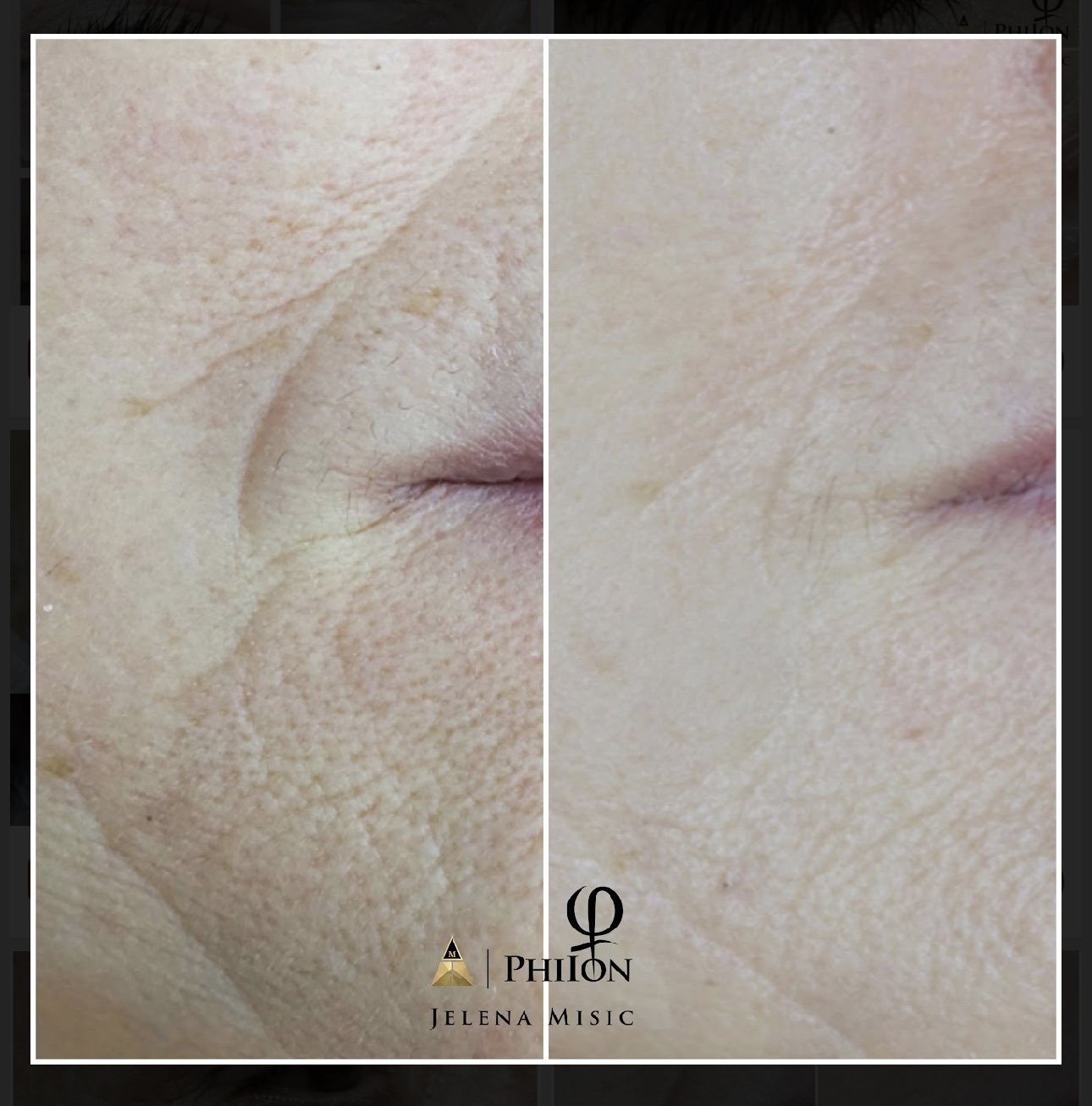
Healing Is Part of the Journey.
Plasma Pen treatment creates controlled surface injuries, making recovery an important part of the process. Visible micro-scabbing is expected, and your skin needs time and appropriate care as it heals.
Initial Skin Response
Redness, swelling, tenderness, and small treatment dots may be visible shortly after the procedure.
Visible Micro-Scabbing
Small crusts may remain visible as the skin heals. They should be allowed to shed naturally without picking or scratching.
Continued Recovery
Redness and sensitivity may persist after the crusts shed. Skin appearance may continue to change over time, and recovery varies between individuals.
Follow your provider's specific cleansing, skin protection, and aftercare instructions. Avoid picking at healing areas. Contact your provider if you experience worsening pain, spreading redness, discharge, or other concerning symptoms.
Discover the Treatment in Action.
Explore the Plasma Pen treatment process through a closer look at this cosmetic skin procedure. The treatment uses focused energy to create controlled points on the skin in carefully selected areas.
Frequently Asked Questions.
Everything you may want to know about Plasma Pen skin tightening, from treatment expectations to recovery and aftercare.
What is Plasma Pen skin tightening?
Plasma Pen is a cosmetic procedure that uses focused plasma energy to create controlled superficial points on the skin. It is intended to encourage a tightening response and improve the appearance of selected areas. Results and suitability vary from person to person.
Which areas can be treated?
Common treatment areas include the appearance of fine lines around the eyes, mouth and selected facial areas. Whether a particular area is appropriate depends on your skin, medical history and an individual consultation.
Is the Plasma Pen treatment painful?
Sensations vary between individuals. Some people experience heat, stinging or discomfort during treatment. Your provider can explain what to expect and which comfort measures may be appropriate before your appointment.
What is the recovery process like?
Redness, swelling and small surface crusts may occur after treatment. These often develop during the first several days, while full skin recovery may take longer. Healing varies by treatment area and individual skin response. Follow your provider's aftercare instructions and avoid picking at the skin.
How many sessions will I need?
The number of sessions depends on the treatment area, your goals and how your skin responds. Some individuals may consider additional sessions, while others may not be suitable candidates. Your provider will discuss an individualized approach during consultation.
How long do Plasma Pen results last?
Results are not guaranteed and their duration varies. Skin condition, age, lifestyle, treatment technique and the natural aging process can all influence the appearance and longevity of any improvement.
Is Plasma Pen suitable for every skin type?
No. Plasma Pen treatment is not appropriate for everyone. Certain skin tones and skin conditions may carry a higher risk of discoloration or other complications. A thorough consultation is important to evaluate suitability, risks and alternatives.
Are there any risks or side effects?
Possible effects include redness, swelling, crusting and temporary discomfort. More significant complications can include burns, infection, pigmentation changes and scarring. Your provider should review these risks with you before deciding whether to proceed.
How should I care for my skin afterward?
Follow the specific aftercare plan provided at your appointment. This may include gentle cleansing, avoiding picking or scratching, limiting irritating skincare products and protecting healing skin from sun exposure. Contact your provider if you notice unexpected or worsening symptoms.